
Identifying High-Quality Natural Extracts
The quality of a supplement determines its safety and effectiveness. At Alami Pria, we are committed to educating our readers on the rigorous standards that should be applied when selecting natural supplements for men. Not all products in the Indonesian market are created equal, and knowing what to look for can protect your health and your wallet.
We break down the technical aspects of extract ratios, purity testing, and manufacturing certifications into easy-to-understand criteria — so you can evaluate popular products for men with confidence.
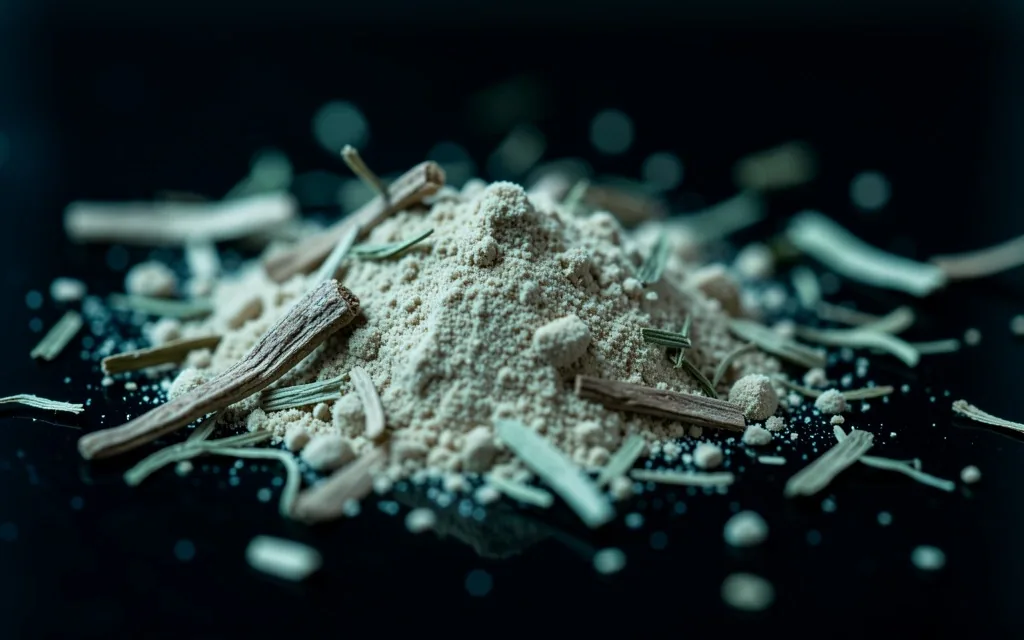
Raw botanical material prepared for extract concentration analysis
Active compound percentages that indicate batch consistency
Understanding Extract Ratios
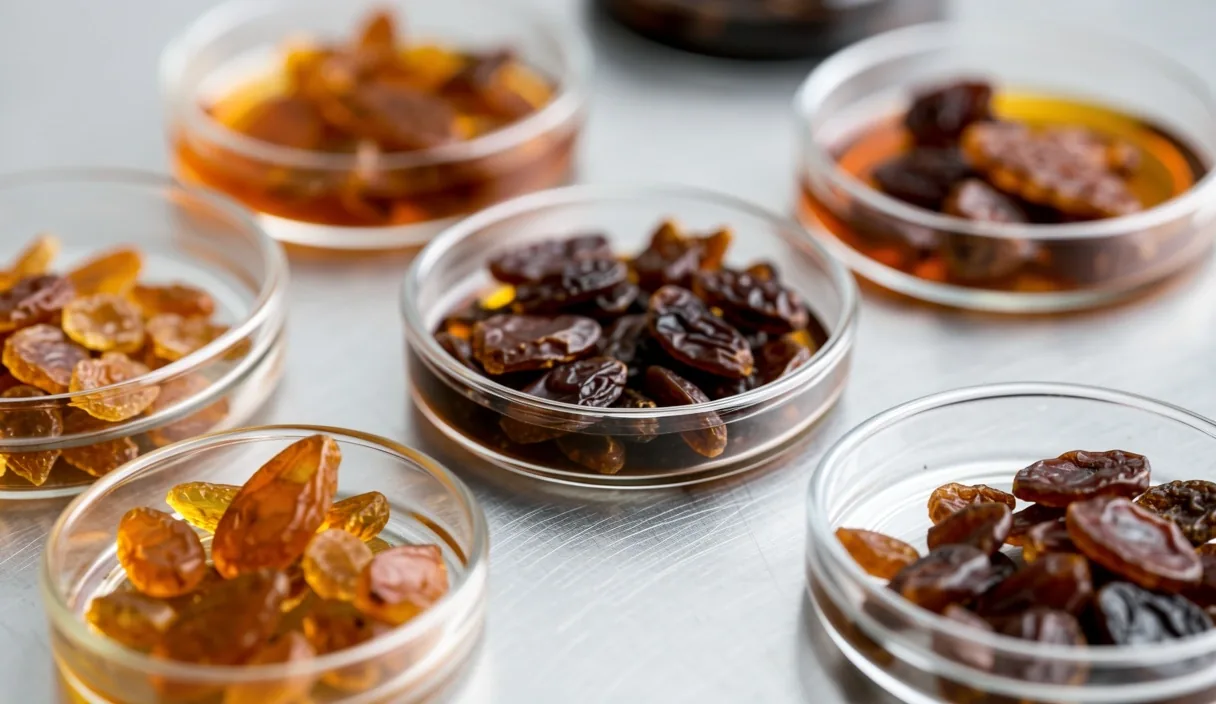
When you see a label that says "10:1 extract," it refers to the concentration of the raw herb used to create the final powder. A higher ratio usually means a more potent product — but only if the bioactive compounds are preserved during processing.
- Ratio indicates raw material concentration, not necessarily potency
- Processing temperature affects bioactive preservation
- Solvent choice influences final compound profile
The Importance of Standardization
Standardization is the process of ensuring that every capsule contains a consistent amount of the herb's active ingredient. Without this, the effectiveness of natural capsules for strength and vitality can vary wildly from one batch to the next.
We look for brands that specify the percentage of active compounds, such as withanolides in Ashwagandha or ginsenosides in Ginseng. This level of detail is a hallmark of a professional-grade supplement and a clear sign that the manufacturer is committed to delivering consistent results.
When a brand lists a standardized percentage on its label, it means every batch has been verified to contain that amount. This consistency is what separates serious men's vitamin formulas from unregulated powders that may contain little to none of the compound you are actually paying for.
Verifying Purity and Safety
Contamination is a real concern in the herbal industry, particularly with heavy metals or pesticides. We educate our users on how to check for certificates of analysis and third-party lab testing — documents that prove a product has been screened for harmful substances.
Manufacturing Excellence
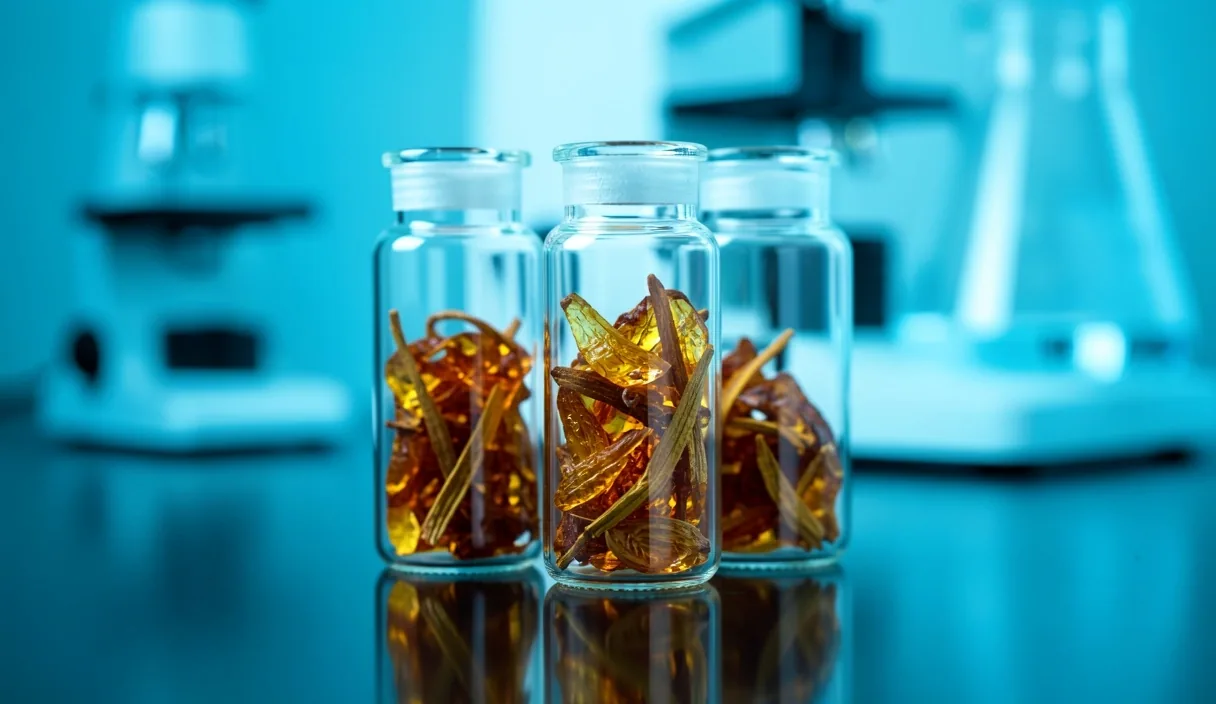
Where and how a supplement is made matters. We advocate for products manufactured in facilities that follow Good Manufacturing Practices (GMP). This ensures that the environment is clean, the equipment is calibrated, and the processes are documented.
GMP certification means a facility has been inspected and verified to meet specific standards for hygiene, quality control, and record-keeping. Every step of production — from raw material intake to final encapsulation — is logged and traceable. This documentation is what allows a manufacturer to stand behind the contents of every bottle.
We explain how these industrial standards translate to a better, safer product for the end consumer. When a facility follows GMP, the risk of cross-contamination, mislabeling, and inconsistent dosing drops significantly — protecting the integrity of men's health support products from the factory floor to your shelf.
Avoiding Hidden Additives
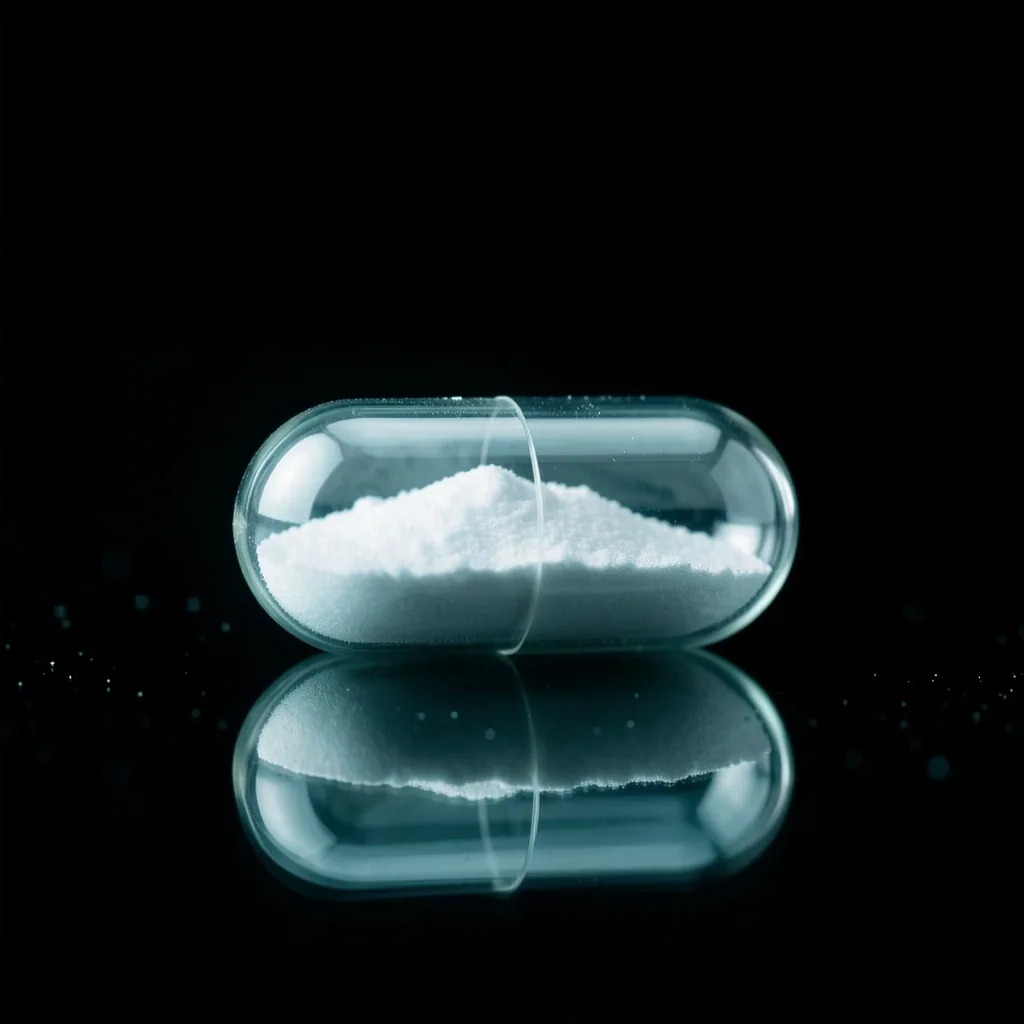
Many lower-quality supplements use fillers, artificial colors, and unnecessary binders to save on costs. We teach you how to read the "other ingredients" list to identify and avoid these non-functional additives.
Ideally, natural supplements for men should be as clean as possible, using only the active ingredients and perhaps a simple vegetable capsule. Minimizing your exposure to synthetic chemicals is a key part of a natural wellness philosophy.
Sustainable Sourcing Practices
The way an herb is harvested can affect its nutrient profile and the environment. We look for brands that practice sustainable or wild-harvesting methods that preserve the ecosystem while delivering potent raw material.
For local Indonesian ingredients, this also means supporting ethical trade practices that benefit the farmers. When a brand names its sourcing region and harvest method, it signals accountability.
Sourcing transparency is a good indicator of a company's overall commitment to quality and integrity throughout its supply chain.
Packaging and Shelf Life
The way a supplement is packaged can affect its potency over time. Light and heat are the enemies of many natural vitamins and minerals for men, gradually degrading the active compounds.
We discuss the benefits of opaque or amber-colored glass bottles and the importance of desiccants in maintaining freshness. These choices prevent moisture and UV exposure from breaking down sensitive botanicals.
Understanding how to store your healthy lifestyle products ensures they remain effective until the very last dose — keep them cool, dry, and away from direct sunlight.
Recognizing Reputable Brands
While we do not sell products directly, we provide a framework for identifying brands that have a long history of transparency and consumer trust. We look for companies that invest in research and are open about their formulations.
A brand that is willing to share its testing data and sourcing stories is usually one that takes quality seriously. They publish their COAs, name their ingredient suppliers, and explain why each compound is included at its specific dose.
This guide empowers you to navigate the marketplace with a critical and informed eye — so the energy and endurance formulas you choose are backed by evidence, not marketing claims.
What to Check Before You Buy
Extract ratio is clearly stated
Look for specific ratios like 10:1 rather than vague "concentrated" claims
Standardized active compound percentage
The label should name the compound and its concentration
Certificate of Analysis available
Third-party lab results should be accessible on request or online
GMP-certified manufacturing facility
Clean, documented, and audited production environment
Minimal other ingredients
Avoid fillers, artificial colors, and unnecessary binders
Sustainable sourcing disclosed
Brand names harvest regions and supports ethical trade
Opaque or amber glass packaging
Protects active compounds from light and moisture degradation
Brand publishes testing data
Transparency about formulations and sourcing is a quality signal
Still deciding what to look for?
We do not sell supplements — we help you understand them. If you have a question about a specific product, an ingredient label, or how to read a certificate of analysis, reach out and we will walk you through it.
Jl. Raya Kuta No. 55, Kuta, Badung, Bali, 80361
+62 361 772 353
Monday to Friday, 09:00 to 18:00 WITA
Alami Pria is an educational resource. We do not sell supplements and do not provide medical advice. Consult a qualified professional before starting any new supplement routine.